
Asking Better Questions. Finding Better Answers.
Educational research that explores the questions behind teaching, learning, leadership and school improvement — connecting evidence with meaningful educational practice.
Research should help us see education differently.
Educational research begins with questions: why does something happen, how does it influence learning, and what might we do differently?
Dr Layla Institute brings research, professional experience and educational enquiry together to explore issues that matter to schools, educators and learners.
The aim is not research for research's sake. It is to develop deeper understanding and create knowledge that can contribute to thoughtful educational practice.
Rigorous thinking. Relevant questions. Meaningful application.
Educational research is most useful when it maintains intellectual rigour while remaining connected to the realities of educational practice.
Question
Begin with important educational questions and investigate the assumptions, experiences and evidence surrounding them.
Explore
Examine relevant literature, professional perspectives, evidence and educational contexts to develop deeper understanding.
Apply
Consider what research findings mean for educators, leaders, schools and the wider educational community.
Evidence matters. Context matters. Professional judgement matters.
Educational questions rarely exist in isolation. Research needs to be considered alongside professional knowledge, context and the experiences of the people who make up a school community.
Our approach therefore values critical thinking and thoughtful interpretation rather than simply applying research findings without considering context.
Evidence
Engage critically with relevant educational evidence and research.
Context
Consider the setting, people and circumstances in which educational questions arise.
Critical Thinking
Question assumptions and examine evidence from multiple perspectives.
Professional Insight
Connect research thinking with the knowledge and experience of educators.
Researching the questions that shape education.
Our areas of interest connect educational theory, classroom practice, leadership and school development.
Teaching & Learning
Exploring teaching approaches, learning experiences, classroom practice and the factors that influence effective learning.
Educational Leadership
Examining leadership thinking, professional capacity, decision-making and the conditions that support educational improvement.
School Improvement
Investigating how schools understand their strengths, identify priorities and create sustainable improvement.
Professional Learning
Exploring how educators develop knowledge, reflect on practice and translate professional learning into action.
Curriculum
Considering curriculum design, progression, coherence, implementation and the experiences provided to learners.
Educational Change
Exploring how educational organisations respond to change, develop capacity and sustain improvement.
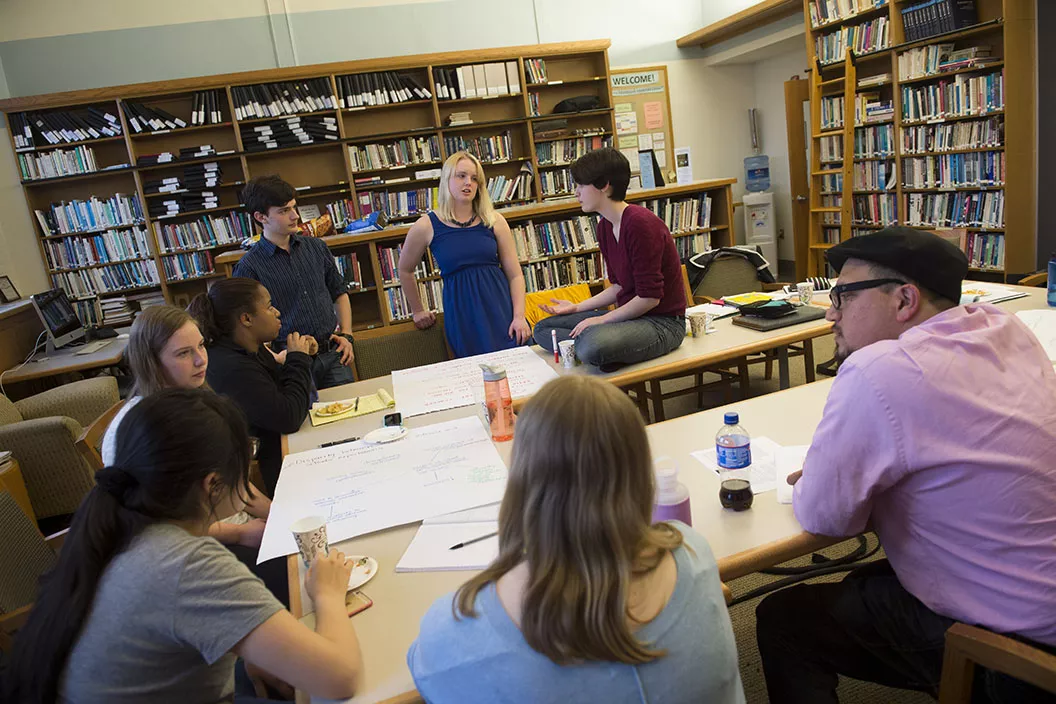
Research becomes powerful when questions are explored together.
Educational research can create space for professionals to step back from everyday practice and examine the assumptions, evidence and experiences that shape their decisions.
Collaboration brings different perspectives into the conversation and can help turn individual questions into richer educational enquiry.
The result is a deeper understanding of the problem, stronger professional dialogue and clearer possibilities for future action.
From question to understanding.
A structured cycle helps research remain focused, reflective and connected to meaningful educational questions.
Question
Identify an important educational question or problem worth exploring.
Investigate
Examine literature, evidence, perspectives and relevant educational contexts.
Interpret
Analyse what the evidence suggests and consider the implications within context.
Reflect
Consider what has been learned and what new questions or possibilities emerge.
Knowledge should inform meaningful action.
Research can contribute to better educational decisions when evidence is interpreted carefully and connected with local knowledge and professional judgement.
Professional Practice
Research can help educators question established approaches, deepen understanding and consider alternative ways of working.
School Decisions
Evidence can contribute to strategic discussions and decisions when considered alongside local school knowledge and priorities.
Future Enquiry
Good research does not always provide a final answer. It can also reveal new questions and opportunities for further investigation.
Research connected to educational practice.
Research conversations can be valuable across different levels of the educational community.
Schools
Educational Leaders
Teachers
Researchers
Creating knowledge that can be shared.
Educational enquiry can lead to different forms of professional and academic output, depending on the question, audience and purpose of the work.
Research Reports
Clear, structured research outputs designed to communicate findings, implications and areas for further consideration.
Professional Insight
Research-informed thinking translated into accessible ideas for educators and educational leaders.
Educational Writing
Articles, publications and other forms of educational writing that contribute to professional conversation.
Research Conversations
Opportunities to share questions, evidence and perspectives through professional discussion and collaborative enquiry.
Better questions can lead to better educational decisions.
Explore how educational research connects with school improvement, professional learning and leadership development at Dr Layla Institute.
Explore School ImprovementLet's explore the questions that matter.
Research · Leadership · Practice · Impact